Interview with Micah Allen
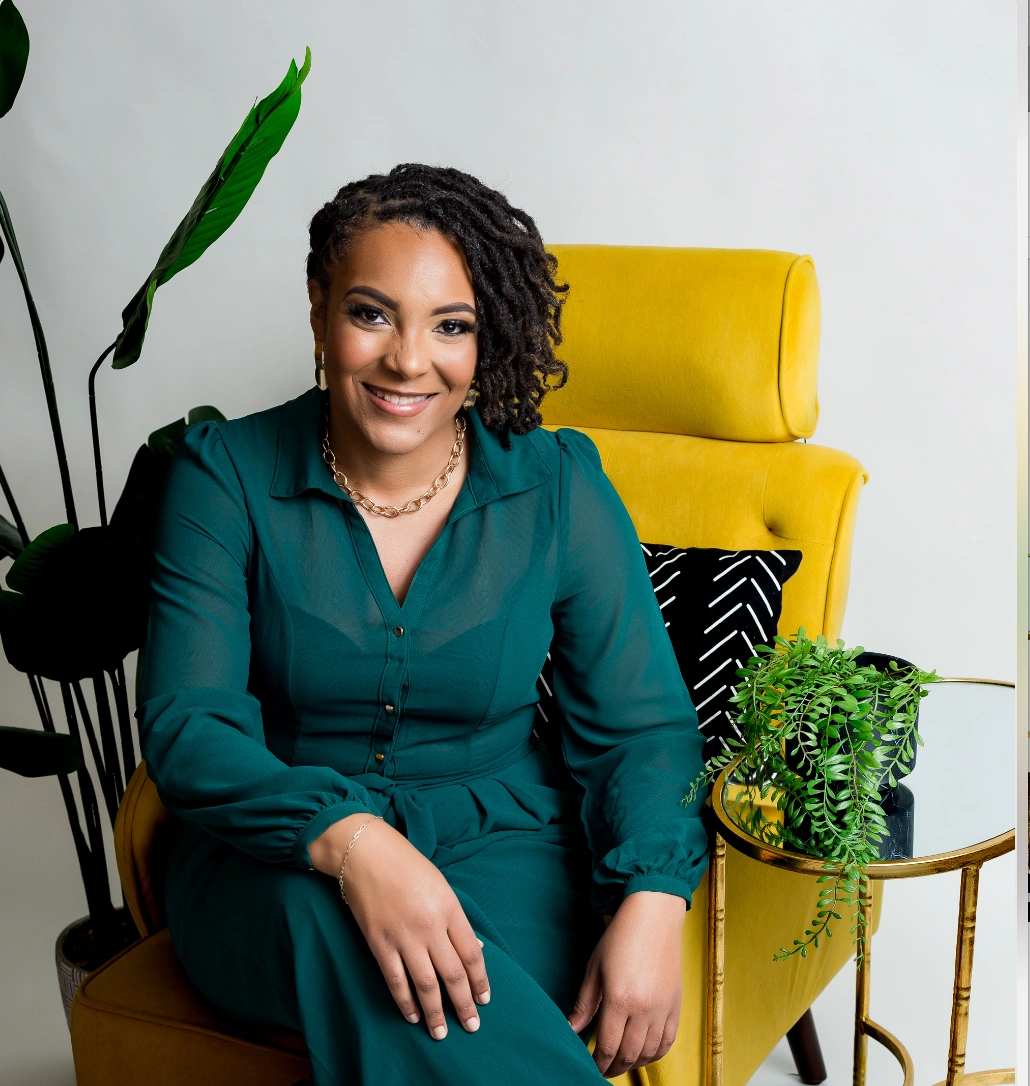
Spotlight Series Topic: Can Acupuncture Help Allergies, Fertility, and Chronic Stress?
Guest Name: Micah Allen
Guest Credentials: ND, LAc.
Discussion Details:
What does acupuncture actually help with? In this episode of Beyond the Practice, Dr. Camille Ronesi sits down with Dr. Micah Allen, licensed acupuncturist and naturopathic doctor, to talk about whole-person care, chronic stress, allergies, fatigue, fertility, and what it really means to treat the root cause instead of just chasing symptoms. Dr. Allen shares how she moved from a conventional science background into naturopathic medicine and acupuncture, why she takes a complementary approach to care, and how acupuncture can support the nervous system, stress regulation, sleep, pain, seasonal allergies, and even complex cases that need a broader systems-based lens.
Benefit of Watching:
- what acupuncture is and how it works
- the difference between “alternative” and complementary care
- allergy treatment, including seasonal allergies and alpha-gal
- how chronic stress shows up in the body
- why sleep matters more than most people realize
- fertility, hormone support, and helping people reconnect with their health
If you have ever wondered whether acupuncture is just hype, this conversation gives a grounded, practical look at how it can fit into modern healthcare.
Address of guest’s business:
9327 Midlothian Turnpike Suite 1G, North Chesterfield, VA 23235
Dr. Micah Allen: Thank you.
Dr. Camille Ronesi: you ready to share your story with us?
Dr. Micah Allen: Yes. Always open and willing to share um just so that way not just about me but the clinic, the profession um shedding more light so that way we can help more people is always where it’s at. So, thank you for having me.
Dr. Camille Ronesi: Absolutely. And I think that’s maybe that’s probably where we’re going to start and I think it will best come out through your own personal story as much as you want to share is what is a natural path? Why were you drawn to it? How did you land in acupuncture? Like tell us about this.
Dr. Micah Allen: Yes, it’s quite the story. So my undergraduate degree is in animal science preveterary medicine. And so I know everybody looks around like, huh? How what? And so I [laughter] I was in undergrad. Um we were, you know, metriculating through the program and my instructor was like, “Okay, we have to go to the farm and we have to process animals, right?” And so I’m like, “Excuse me, process animals.” So I said, “Is it okay if I did my externship at the pharmacy school? I want to just go do some research. um do something else because I am not going to be processing chickens. That’s not my goal in life. I understand the importance of it. And so he was like, “Okay, yeah, you can you can go and do some stuff with the pharmacy program.” And so I did some research disease and um decided to do a little bit more and I landed an externship with uh a gastronenterologist who is also a pharmacist and he let me do rounds with him at his clinic for right at about eight weeks. And so we were doing upper endoscopies, colonoscopies, um, in clinic with him and I was like, you know, I think I might actually enjoy seeing human beings versus having to decipher through all of these other, you know, animal species. And so I was with him and the way that he approached medicine, like highly respected, right? But it was very like siloed, right?
Dr. Camille Ronesi: Yeah.
Dr. Micah Allen: So somebody had gird, you’re getting pryic, right? You’re going to get a a proin proton pump inhibitor. Um there was no variety. Um when we would take our lunches though, he and I would talk about diet and lifestyle and stress and how those things could impact the case. But when we were in clinic, it was like a 5 to seven minute intake, very quick, dry standard of care, right? I was like, I think I want to do this, but I want to do it a little bit different. I want it to feel congruent with what I would recommend for my family, my friends, myself. And I ended up landing at the University of Miami. They were having a umformational session about Bastier University. And once that was over, I was I looked at my dad and I was like, I’m pretty sure that’s where I’m going to be. So um
Dr. Camille Ronesi: so and this in the naturopath right
Dr. Micah Allen: yes yes yep so naturopathic medicine and that’s looking more at the the full picture of the person right and how it affects the way that they present on a daily basis. Um, so going from that 5 to 7 minute intake that I did with my GI specialist to more of like 30 45 minutes, sometimes upwards of an hour to where we’re getting to know like the ins and outs of a person. So during my time in MD school, I developed frozen shoulder syndrome.
Dr. Camille Ronesi: That’s young for frozen shoulder.
Dr. Micah Allen: Oh, but listen, didactic work. We were like eight times, you know, during PT school. Super neurotic, super crazy day. So I think it was a high stress. Um but yeah, I developed it and [clears throat] my colleagues were like, you know, we have an acupuncture school here. You you know, you can definitely check it out. And so I grew up in rural South Florida, so I had not been exposed to acupuncture. What is this hoodoo, right? Like excuse me, what? And so I went like twice a week for probably the whole summer and Camille completely completely resolve the frozen shoulder like range of motion back, no pain and I was blown away and thankful that I was still in school and able to add on uh the acupuncture degree as well. So that’s my journey of how I got to where I am now. um with the two degrees. So yeah,
Dr. Camille Ronesi: that’s impressive. So you went from being interested in animals to going maybe I want to see people and not so much animals and then to I want to see the whole person. Like it’s like you saw that silo and instead of saying well I guess this is what I do when I’ll just have to treat people in a silo you you kind of said well no there has to be another way. And it’s like that’s such a similar story right? is like I purposely stayed out of physical therapy forever and ever because I felt like I I wouldn’t have been able to treat back in, you know, 15 20 years ago. It was it was much much harder to feel like there was an a path to holistically treating someone and I just didn’t know that there was there was a way to do it. Um, and that’s it’s what you know like our intake is 45 minutes long. you know, it just takes forever because there’s so many questions to ask before we even get to how do we get to the problem solving piece. So, when you see people come in, who are kind of the typical people who walk in your door?
Dr. Micah Allen: I would say we see atypical. We don’t see I mean it can span from uh a 90 yearear-old who’s been having headaches and migraines for 70 plus years to um a veteran with [clears throat] PTSD um a mother with lower back pain um all the way to you know a five or six year old who is having difficulties with behavioral issues. So, it can span a pretty wide variety. Um, we always like to have that initial consultation just to make sure that we are a good fit for that client. Um, and then if not, then we are more than happy to refer out to some of our amazing colleagues. Um, whether it be in different modalities or different specialties, right? Um, but yeah, it can it can be
Dr. Camille Ronesi: when you see that somebody is a good fit or not. Like what are some of the flags that maybe says I need to send you out? Like when is it like you’re not a good fit for us?
Dr. Micah Allen: Right. And and not necessarily that that they’re not a good fit for us, but we may not be who that person needs at the time. Um, absolutely. And so sometimes we’ll have folks who say because we’re natural medicine, they might present And because of my background in naturopathic medicine, I’m able to see, you know, are there some red flags here that this person wouldn’t be better off seeing say oncology, hematology, right? We’re seeing excessive weight loss over a short period of time without actively trying, night sweats, um possible nodule. So any of those things that are going to be like they need emerent um um you know care or deeper eyes I will go through and a lot of times because people have disengaged from conventional medicine medicine so much those folks may have missed preventative screenings because they don’t necessarily interact with uh the conventional medicine anymore and they might come to see me because, you know, I’m natural medicine and I’m still going to support that, but hey, I need you to do this first and then you can come on back and we’ll get you taken care of. But in the long run, I want you to be able to be viable so that we can even work the work that we need to do.
Dr. Camille Ronesi: Yeah. And I think that brings up a really good point that even as I I was preparing for this, right, preparing for my conversation, I wanted to understand acupuncture more and I wanted to understand naturopathy more. And I felt like where I was really bumping up against was my own biases of of it’s an ore, right? Like naturopathic medicine means you’re not doing prescriptions and you’re taking nothing but supplements and you’re rubbing oil on your skin and you’re like smelling candles, but you’re not taking your medicine. And like western medicine is you don’t do any of these things and you take medicine. It’s like actually there’s a bridge. And I think I like I I So how do you find yourself interacting in that bridge? Like especially if like say somebody’s medically complex which everybody is, they have diabetes, they have a heart disease and they have obesity and they have stress and they come to you. So how do you like give me an example of how that works?
Dr. Micah Allen: Yeah. And oo probably 10 years ago I retired alternative medicine from my lexicon just because it gives that feel of like you said it’s either or it’s not and right and so I love to use complimentary right what we’re doing is complement whatever you have going right if it’s a chronic complex condition my goal really is to look to see okay what’s at the root of this and I I know that’s, you know, a huge buzzword these days, but we truly do kind of sift through and okay, has there been something that has been missed in the past? Is there something we should be looking more into? How are all of these presentations interrelated? Right? you mentioned obesity, blood sugar dysregulation, stress, all of those things at the root is the endocrine system that’s not being um or performing optimally, right? So, how do we like impact that system in order to create a wave along all of those other symptom presentations? Um because at the end of the day, the body really is attempting to um heal itself, right? is trying to stabilize itself so that it can perform at an optimal level. But to us that reacting to that stress can look like symptoms or compromise. But yeah.
Dr. Camille Ronesi: Okay. Yeah. Because that’s definitely um with so with acupuncture, we’ll go ahead and ask some of the acupuncture questions is I think everybody kind of pictures like all the needles, you know, the little needles um which they don’t hurt. They’re very shallow like it’s they’re tiny needles that go in very specific places. Now my understanding is that traditional Chinese medicine is they discuss it as like chi or energy. Right. So can you speak to how it’s taught and then how you as somebody who kind of grew up in a western medicine world like where do you bridge those two mindsets?
Dr. Micah Allen: Yeah. I feel like naturopathic medicine is for me more of say my medicine quote unquote right whereas acupuncture is more of the healing art right um both of them in a sense are healing arts because they can change and differ based off of the person um but really acupuncture is in real time being able to help that person get to where we’re trying to go with naturopathic medicine, we’re able to get there a little bit quicker, but the naturopathic medicine is going to allow you to remain there, if that makes sense, right? Um Okay. And so with chi and energy, um we’re able to help support that parasympathetic tone. Again, we all know about the vagus nerve and how important it is. The only cranial nerve that’s going to be crossing
Dr. Camille Ronesi: Yeah.
Dr. Micah Allen: Um, and so we’re we’re basically helping your body move from a state of that hyper sympathetic response, that fight orflight mode, which unfortunately the majority of us live in just from existing. Right. Right. And so acupuncture basically moves your body, your energy, your chi to a state where it feels and is most optimal. So right in the middle. So we can if we have a stressful event occur, the body can respond to it but then get back to baseline versus like being stuck in that space. So, it’s it’s pretty awesome um just about your energy, your chi, and how we can support it getting to that space, but also now with so many um studies that basically is validating the art of this, you know, medicine that’s been around for thousands of years. we’re able to quantify see okay exactly what’s happening on CT or MRI or how the brain is being um stimulated. Um so it’s it’s pretty cool.
Dr. Camille Ronesi: Yeah, that’s and I’m going to resay that because our internet you and I are having some screw ball internet problems. I think one people can definitely say oh I understand it’s been around a long time like 3,000 years a very very long time. And then when you really kind of look into it more, I mean the World Health Organization started backing up acupuncture in what the 70s. I mean the the FDA started backing it in the 80s. Like we really started seeing supported work and even even in very very uh mainstream medicine there’s a lot of there’s a lot of mainstream western medicine there seems to be even more and more validation of yeah we don’t like it works like it you know it reduces stress. We’re seeing positive changes in stroke patients. We’re seeing positive changes um in pain patients. We’re seeing positive changes in intestinal patients. Like there’s just over and over and over again, we’re seeing these changes. You know, I can’t help but want to go, well, okay, what’s the correlary that I can understand that doesn’t sayqi? And it’s not that chi is a problem. It’s just I need to like where is it showing up in the anatomical understanding? And right, you know, and it’s it’s fascinating because like Western medicine’s catching up. They’re starting to say, “Oh, it’s fascia. It’s it’s neural clusters. It’s what where do you like I’m not saying it’s an eitheror situation, but like to you what resonates the most strongly? Are you in the like there’s an energy flow to this or do you feel like you need that kind of westernized an an anatomical orientation to it?”
Dr. Micah Allen: Yeah, I think maybe in the beginning 2011 maybe I needed that. now that I’ve seen probably about or done about 10,000 plus treatments and even though every person right like say for instance you were talking about your case I could be at a point to where I’m like oh I know this is going to work right I’ve seen 10,000 times already every single time somebody says, “Oh my gosh, can you believe that this happened?” And even though I know what treatment I’m doing, what I’m working to impact, I am just as blown away as you guys. Right. It feels like magic. That’s what it feels like. But there is definitely a system to it, right? Right. Um but it’s just being again knowing what say for instance our diagnosis is and what needs to be applied in order to you know treat that diagnosis but I mean it like I said I could I could be jaded about it and be arrogant jaded about it but I am just as in awe just as in awe. So I would say um a combination of the two like I respect that physical right like you said the fashca um but I also believe in the chi and the energy just because I’ve seen it work and be miraculous and some of it is just unexplainable but that’s that’s what it is.
Dr. Camille Ronesi: How how do you feel that has to have had an impact on how you approach your life? Oh, yeah. And your your interaction with the world.
Dr. Micah Allen: Yeah, most certainly. Having pre-teen and teens definitely makes it [laughter] a little challenging at times, but it does. Right. Um. Right. And I think as as folks who provide health care services, we already hopefully you come in with this sense of wanting to be a help or wanting to help people navigate to be a guide, right? Um, but when you’ve seen so many stories, seen so many things shift, um, and it doesn’t always have to be that someone is living, um, you know, past, you know, 100 years old or whatever else it might be. The last two years have shown to be a little bit more difficult because I’ve seen a lot more cancer patients who are stage four, right? So being able to meet people where they are is a lot of what this has taught me over the years as well. Also making sure that folks have autonomy over what they their goals. It’s very right. is very intrinsically driven. Yeah. Yeah. So, it it’s sometimes tough for me when someone might say, “Hey, I’m I’m stage four. I got a couple more weeks to live. It’s difficult for me to swallow. I just want to not have pain or discomfort, right? So, that part of trying to say, how can we how can we help to keep this person around longer?” That drive to do that, right? um right you that had to take a back seat and we just meet them where they are and give them what they need.
Dr. Camille Ronesi: I feel like that phrase has come up in multiple of my interviews because it’s with the providers who actually really want to treat the whole person. I tend to have conversations with people who truly are genuinely interested in helping and it’s always I just want to meet the person where there is where they are like I want I want to to arrive with them. And also when you’re an experienced provider, you kind of realize that you can’t make anybody be where you think they should be. You let that go a long time ago. It is that is a fight not worth fighting, you know. So, but it’s so much more peaceful and so much more effective to sit down with that person, hear their conversation, and make a decision from that of like how can you help them find where they are and where they need to get to next and let them get there. Yeah. Yeah. So, I have to ask about the allergy treatments because the pollining is coming. Everybody’s all excited because it’s, you know, it feels very spring-l like outside and they don’t I’m like, for those of you who aren’t from Richmond, it’s not spring yet because it’s not yellow outside, but it’s coming. And you use acupuncture to treat allergies.
Dr. Micah Allen: Yes.
Dr. Camille Ronesi: Do tell. Say more.
Dr. Micah Allen: Yes. And even though it’s not yellow outside in Richmond yet, let me tell you, the last two weeks we’ve already had folks coming in. I’m not sure if you’ve had folks complaining yet, but the whole hay fever, itchy eyes, runny nose, scratchy throat. Um, so traditional acupuncture treatments, just like we approach all of our other cases, we can most certainly build a treatment plan around allergy support for that. and it works wonderfully. Um, SAT is a Solomon uricular acupuncture treatment and it focuses primarily on uricular points. So, points in the ear um that are found after we use an allergy assessment to basically find the point um and then we place very these needles are uber small. I have to use a tweezer to place them.
Dr. Camille Ronesi: Oh wow. Um [laughter]
Dr. Micah Allen: very small, very specific, but this treatment is a gamecher. Um it is remarkable. So we’ve seen folks coming in for alpha gal syndrome, which is a me allergy or a male allergy very much on the rise on the east coast. It is. And so currently no treatment for um alpha gal syndrome. Uh but Dr. Solomon again with this technique um have been able to utilize this as and again it’s not a cure um it is considered uh placing the body in remission. Right? And so even though this treatment is completed um we always advise especially for any clients who might be anaphylactic to always keep their pen or benadryil on hand. Um, and this treatment is to allow folks to be able to navigate life because with allergies, especially things like Alpha Gal, you know, you think about you’re going out with your family to a restaurant, there’s so much anxiety about the possibility of cross reactivity. Um, so this allows folks to be able to go in those spaces and not have that immediate sympathetic response because they know that they have this additional coverage right now. Do we have clients who decide, “Oh, I just want to eat beef.” Right? And then this mammal allergy the the spectrum of it you can have someone who’s anaphylactic or someone who is just responding just by GI so nausea vomiting hives right and so some folks are like hey I want to eat a steak and I say listen I’m not going to advise you to eat a steak but if you decide to again we’re going back to autonomy if you decide to have a steak then This is my recommendation on how you should, you know, slowly reintroduce. Right? So, we talk about all of those things, but alpha gal seasonal allergies. We’ve had folks in with shellfish allergies that they’ve had since childhood um that are in remission, right? So, no signs of these things at all. And the the biggest one for me that’s mind-blowing because of my animal science background is a cat allergy. Cat allergies. I’m a dog person, but apparently you guys who love cats, the cats love to sleep on or near your heads.
Dr. Camille Ronesi: Have you ever tried to keep a cat from sleeping where where it wanted to sleep?
Dr. Micah Allen: I cannot even imagine trying to but the word on the streets is that the cats like to sleep near your head on your head or on your chest.
Dr. Camille Ronesi: Y [laughter]
Dr. Micah Allen: we’ve had cases of folks who, like I said, severe allergies completely. I’m at my girlfriend’s house now. She has cats. I used to could not go to my girlfriend’s house. Now I’m sleeping at my girlfriend’s house five days out of the week. Like, wow, that’s amazing.
Dr. Camille Ronesi: Spread the word. My kids gonna be so happy because I’ve banned cats from the house because I’m so allergic to them. [snorts]
Dr. Micah Allen: Oh, that’s you.
Dr. Camille Ronesi: That’s me. Yeah. I I love cats. I like cats. Like I had cats growing up and then in college just boom, all of a sudden I never had an allergy to anything. I hit college and I became allergic to everything.
Dr. Micah Allen: Got it.
Dr. Camille Ronesi: And then and I’ve been spending my whole adult life rec like correcting back to center line. So it’s been, you know, Yeah. when you live in Richmond, which is a top 10 in the country for allergies and it’s only getting worse every year. I think we’re in for it this year because we had such a wet a wet late winter. So I think we’re really really in for it this year. Um, and you can, it’s very disruptive to everyone’s life around here. Um, yeah, like all everybody’s on antibiotics and you got to keep your windows closed and it’s just like this very like everybody’s sick. So, a lot of the traditional thing people do is they go get the scratch test and then they go to the allergist and they get the shots every every you know twice a week and they have to do it at home and it does work. Now, did I see in a study that people on this treatment, it was like 97% of the cases had improvement in symptoms?
Dr. Micah Allen: 97%.
Dr. Camille Ronesi: That’s ridiculous.
Dr. Micah Allen: It’s pretty badass. And I will say that we haven’t done our own clinical studies, right? But what we see in our clinic is consistent with those numbers.
Dr. Camille Ronesi: Wow, that’s crazy. But it’s like a little tiny needle that like gets put in your ear and it stays there.
Dr. Micah Allen: Yep. So it can stay. It depends on again your need. It can stay there for uh three to four weeks. And like I said, if we’re keeping in mind how small these needles are, I have to use a tweezer in order to place it. So a lot of people are like, “Oh my gosh, are they going to be sticking out of my ears?” So it’s lay flat. I use um a medical grade uh skin glue and then an adhesive on top of that to keep it covered.
Dr. Camille Ronesi: Um do you do like the dermatal allergy testing or do people go and get that and bring it to you?
Dr. Micah Allen: Sometimes might have that they can bring it to us and we’ll review it but we there is uh an allergy assessment which is using kinesiology in order to find the points and to find what your body is responsive to. Um, so say for instance, some folks might come in for Alpha Gal and I might find um things, you know, I always like to ask, is there anything else that you suspect that you might be allergic to? And typically the oneoff thing that they’re like, um, I think, but I’m not sure is the biggest one. So, we always like to kind of spread our net to see if there’s anything else. Just like you said, you felt like your allergies kind of picked up after, you know, you had your cat one and then So, yeah.
Dr. Camille Ronesi: Yeah. Yeah. There’s Yeah, there’s a lot of there’s a lot behind that one where I think it was a I wasn’t a vegetarian and then became a vegetarian in college because, you know, that’s what you do. Uh, and it turns out I’m allergic to soy. But back then that I didn’t know, you know, but like you’re eating tofu and drinking soy milk and eat, you know, like everything in my life was soy, soy, soy, soy all the time. And I think that just completely exploded my entire system. Like everything blew up, you know, and then there was just no coming back from it. So, you know, go figure. But maybe we’ll, you know, I might have a needle in my ear in another week or two. Let’s find out. All right. So, what has been um how do I want to ask this? What has been some of your favorite favorite things or like what’s kind of your favorite thing to treat? Like what’s your like, oh yeah, here we go.
Dr. Micah Allen: Fertility is definitely on that list. um just because I mean it’s helping people um you know create and grow their families right who haven’t been able to huge um and again just like we talked about before um looking through the whole of each of those people right whether it be um you know someone who has a donor or uh two uh folks who are looking to fall pregnant together. Um we’ve had surrogates that we have helped support. So just the whole realm of fertility and preconception is super fascinating to me. Um and very enjoyable work. So yeah,
Dr. Camille Ronesi: I actually went to I got acupuncture leading up to my first pregnancy and it was I think more insightful than anything was the just becoming aware of how my system worked. Yeah. You know, and I think that’s probably what you do more than anything is helping people understand how their systems work. So in right just speaking even to your your original experience of feeling like that going to that pharmacist um was very siloed and that’s a big thing and I think you and I have could could wax poetic about is that western medicine is a very problemoriented it’s very biomedical everything requires a diagnosis right like I am supposed to code their chart with a diagnosis like they have a rotator cuff problem however I I think that certainly in my world and certainly it sounds naturopathic is this is that there’s much more of a systems and pattern approach. I’m curious about how you you modeled those frameworks within your own practice of that you know systems versus diagnostic place.
Dr. Micah Allen: Yeah, that’s a good question. Um, and like you said, we, you know, typically we’ll have to give a diagnosis and and that part I can understand and probably give two to three of those. Um, but the systems piece, that’s where like all of the the good stuff lives, right? And so, um, that initial intake really is just kind of hitting all the points to see like how this person shows up wholly. Um, and then once you get all of that data, you can you can pull out, you know, two or three or more diagnosis from that just because you’ve got so much information, right? Um, but do I ever label that person as okay, they this is this person is diabetic, so that’s all we’re going to focus on? Absolutely not. Because I know that the diabetes can stem from other places and that we should be looking at those other places. So you know the diagnosis lives in that chart note but it doesn’t define the person and it also doesn’t necessarily limit my idea of how to approach that person. Right?
Dr. Camille Ronesi: So, how do you how would you guide someone through say they have diabetes and you’re doing you’re doing a systems approach of addressing all of these things and when you you introduce something like acupuncture to that treatment plan which is a an introduction of a new a new a new medicine if you will.
Dr. Micah Allen: Yeah.
Dr. Camille Ronesi: What is that coaching look like for expectations of reactions? You know, these people are taking very particular medicines to keep their systems in balance. the acupuncture is introduced, you’re expecting a change pretty rapid, I would assume. So, how what does that guideline look like so that they don’t end up having a um a mismanagement of their medicine because of their changes on this more subtle level?
Dr. Micah Allen: Yeah. Um, another good question. We are all about u transparency, uh, communication, being open. So, every visit I’m checking in to see, hey, where are you? What’s happening? what’s going on. Always making sure we’re aware of all the medications that are on board. And then even though sometimes like folks that we’re seeing, they might have these chronic diseases, but a lot of times when they’re coming into us, they might be on a ton of medications, but they’re not necessarily seeing the results that they want. Right.
Dr. Camille Ronesi: So, yes.
Dr. Micah Allen: And so what can happen is once we start as a team doing the work together whether that looks like because again acupuncture is an umbrella of Chinese medicine which includes Chinese herbs, it includes diet, it includes quina which is a form of massage um cupping all of those things. And so acupuncture is a part of that story, but like okay, what are we doing as far as your you know glycemic index rich foods like how are you eating? Are you getting enough protein? Right? So we need to hit like every facet that could be impacting how they present. Are you exercising? How often? Can we integrate exercise after you have a meal so that we can um take advantage of those glute one receptors that are non-inssulin dependent? Right. Right. And we can take advantage of that and lower your blood sugar u without needing additional amounts of insulin. So over time once that person starts to you know get to their acupuncture treatments consistently we’re bringing that parasympathetic tone up decreasing that cortisol production which in turn actually has an impact on gl on on glucose production as well. So, we’re starting to see blood glucose levels decrease, insulin needs decrease, and so they might be visiting their endocrinologist to say, “Hey, um, I’m noticing that my fasting numbers in the beginning are a little bit lower. Can we adjust my insulin?” Right. Right. Um, is it possible my weight is starting to be managed a little bit better? Um, is it possible for us to decrease my GLP1? Right. So that’s the goal like I’m nonprescribing so I’m not going to depres deprescribe anything from from someone. So again, that’s where that partnership comes in with my medical colleagues because these clients, if they are implementing the plan that we have in place, that we put in place together, then they should be seeing these positive changes and therefore adjustments both positive um in relationship to medication management as well as how they you know experience quality of life should also be present.
Dr. Camille Ronesi: what is so I love that you you bring that up that it’s like you’re really looking at these you know these whole system you know like the practical health part and it’s I could argue that with anybody in here of I try to even tell the patients you know hey I can give you exercises I can tell you these very specific things to do but they don’t mean it it doesn’t matter like at the end of the day like it could be I could have picked six other exercises what matters is what you are doing the other 23 and a half hours out of the day like the drinking the water, the moving around, the touching a tree, the looking at the sun, you know, like all those things that that really do affect the whole person and I and then we do start to see that what we do has more of an impact. Uh what do you think what would be one habit that actually makes a big difference to health that people are not paying attention to?
Dr. Micah Allen: Sleeping well.
Dr. Camille Ronesi: Amen. Say it loud. Put the people in the back. [laughter]
Dr. Micah Allen: Sleep. Um, and I know there’s so many complexities around sleep, right? So many things that can impact sleep. Um, but I would say trying their best to get quality sleep. um just because it impacts so many different systems um cardiovascular system, respiratory system, all of them is because it’s a restorative time. Um, so I would say maximizing sleep and sleep hygiene is really tough for a lot of us just because of these nifty little things that we have all around electronic devices in the form of phones or televisions or computers. Right. Right. Um, so yes, I would say sleep hygiene and maximizing sleep.
Dr. Camille Ronesi: Yeah, I couldn’t agree more. I think sleep is probably the number one. Um I often tell people I like the one that I try to look out for is um when’s the last time you laughed? Like had like a genuine like socially pleasant laugh.
Dr. Micah Allen: Yes.
Dr. Camille Ronesi: Or like what do you do for fun? And people look at you like what do you mean fun? Like when do you have like what do you do for fun? They’re like I don’t what are you talking about? like, well, there’s a sign that’s a problem. It means you don’t play, you know, you don’t socialize. You kind of blew me away even in our own intake. You know, I and I don’t I’m not doing this to talk about myself. It’s just that I found it so interesting. It never occurred to me is that I mentioned that I had really low blood pressure. I was like, “Oh, yeah. I’ve got super low blood pressure.” And he said, “You probably have elevated cortisol levels.” And that really kind of took me back. And I I just I wonder if what what are some things that you say that are like, “Hey, here actually is a warning sign that you didn’t even know was a warning. What are some ones that you people walk in the door and you’re instantly like ticking off?” What are things that you see or hear that are like, “I bet they don’t know that’s a thing.”
Dr. Micah Allen: Yeah. Um I mean, fatigue is another one, right? It’s so general. Um but teasing out like what could be at the base of that. Why is there no energy present? Right? Um and just kind of looking through to see what could be the root cause of that. Um another one is oh man so many right it is so many. Um, but a lot of folks who are on polyfarm pharmacy who might be taking going back to energy who might be taking a statin, right? Um, a lot of my elderly patients, most of them are on on a statin and their energy is in the dumps, right? And so I’m like, okay, are you taking CoQ10? And they’re like, no, I never heard of that. And most of your cardio cardiologists these days are recommending this now, right? Because we know that statins inhibit your body’s ability to produce CoQ10. The mechanism of action decreases your body’s ability to produce CoQ10. So 200 milligrams of CoQ10 added in with somebody who’s taken a statin, they come back and they’re like, “Oh my gosh, I feel like I’m a teenager. I feel crazy. I’m so energetic.” Right. Um, so I I would say that would be one of them if we have that specific scenario going.
Dr. Camille Ronesi: What are do you think? So it sounds like sleep better, go get some CoQ10. What would like what would be some like everybody’s gonna say drink water, right? Obviously drink water. Yeah. What’s kind of one of your go-tos? Like your kid comes to you and he’s like, “Mom, I don’t feel good.” Like what you know the question like what’s the one thing?
Dr. Micah Allen: Um, there’s so many. Um, when you bring up the kids, I know they uh, yeah, I think it’s just trying to have a balanced meal as well, right? Just eating in general, that’s a big one. Not necessarily with my kids, but I see grown adults, right? And [clears throat] I’m I’m here for the intermittent fasting for sure. I understand the insulin resistance benefits of it. Um, but like I see some folks who are working themselves cognitively at very high level consistently over long periods of time who are eating like one meal a day, right? One meal a day. And I’m like, “Oh, what did you have? A piece of toast and some butter.” Okay. All right. Well, let’s start with just having a balanced meal, some protein, complex carbs, healthy fat, right? Just just a little bit to keep keep your fuel source consistent. So, yes, I would say that
Dr. Camille Ronesi: beautiful all the right. It’s like the basics never change, right? Eat food you recognize, drink water, get fresh air, move when you can, turn off your phone at night, you know, hit all hit all the points. I think a lot of people don’t realize, and you and I have talked about this, it’s like, I don’t think people realize how crummy they feel, you know, like you think that like, oh, I just don’t exercise enough. Like, we definitely have the patients here. I’m like, I don’t think you realize that your whole system is so inflamed that we’re not going to be able to really fix your pain until all this other stuff is addressed. Like, I need you to drink less alcohol. I need you to I need you to try to eat a little bit better. And I need you to occasionally go outside.
Dr. Micah Allen: Yes.
Dr. Camille Ronesi: There maybe you’ll feel better. [snorts] So, with all of that, I want to make sure we we give you a chance to kind of get on your last bit of your soap box and really share what you care about. It’s what what keeps you excited about this work? What are you seeing in this that makes you really pumped for where you’re going to go with it?
Dr. Micah Allen: Yeah. Um I think because naturopathic medicine acupuncture is definitely picking up right on the east coast in Richmond, much bigger out west, right? And so I think when I moved to Richmond in 2016, it’s like guns blazing, right? like you’re just one of very few in the state. And so there’s so many folks who can use and benefit from the knowledge and the information that I have. And so I think that keeps me really really excited seeing challenging cases, seeing people who have not been able to feel great um for you know more than half their lives. That’s just a challenge to me. This person deserves an opportunity to exist on a daily basis and feel their best, right? So that is what keeps me super excited knowing that people are eager for that and I have the information to um impart and we create a partnership and rock it out make it happen.
Dr. Camille Ronesi: That’s awesome. I I love that. Uh so where can people learn more about you or be able to come and work with you?
Dr. Micah Allen: Yeah. So website is the home to most of our things. So um very simple drallen.com. So dr m i c a h a l ln. And I’m sure it looks like Camille is going to say she’s going to drop them in the podcast notes.
Dr. Camille Ronesi: Yes. Is that right? Absolutely. Of course. Of course. Yep. We’ll put all the links in there for you. Um and you do take insurance.
Dr. Micah Allen: I do. So we have for acupuncture services partnered with the VA. So we’re a community uh provider for the VA. Um and then we also are in network with Anthem Blue Cross Blue Shield. And so if either of those um organizations you have a relationship with um once you either reach out to us via phone or via the site, we can confirm uh any benefits uh for acupuncture services. And then for our naturopathic um options, we do offer Care Credit um FSA and HSA as options um for those investments.
Dr. Camille Ronesi: Everybody just got their FSAs and HSAs.
Dr. Micah Allen: Yep.
Dr. Camille Ronesi: Everybody got their cards rebooted, so should be ready to rock. Well, Dr. Allen, thank you so much for sharing your perspective today and giving us a window into how you approach health and healing. I love this idea of these complimentary actions that are treating people as the whole person. I think in 2026, so many people are tired of being siloed and we’re tired of having to go to every single specific doctor and retelling the story and getting this one thing treated. So to have this compliment that really takes the whole person and integrates it into this one idea but still supporting that hey what you’re doing with your medicines is probably appropriate what you’re doing with your it’s not an or it’s an and I think that that is the thing that’s a balm right that is a soothing balm on top of kind of this very aggressively 2026 American western like attack on our system. [laughter] Uh, so I appreciate that you are here. I appreciate your calm presence and I am so excited to continue to share the wonderful work you’re doing with all of our great people in this city. Uh, thank you so much and have a wonderful, glorious day.
Dr. Micah Allen: You too. You too. And thank you again for having me. Um, it’s always great to to chat and just um share space and time. So, I appreciate that.
Dr. Camille Ronesi: Absolutely. Enjoy your Friday.
Dr. Micah Allen: You too.